Probiotic Skin Solutions Overview: Improving Skin from Within
How Gut Health Fixes Acne and Skin Problems
The link between gut health and skin conditions, specifically acne, is increasingly recognized in the field of holistic wellness. A balanced gut microbiome is essential for controlling inflammation and supporting nutrient absorption. This interaction suggests that addressing gut health may result in clearer skin. However, understanding the specific mechanisms at play and how dietary choices can affect this relationship raises important questions about effective strategies for achieving healthier skin.
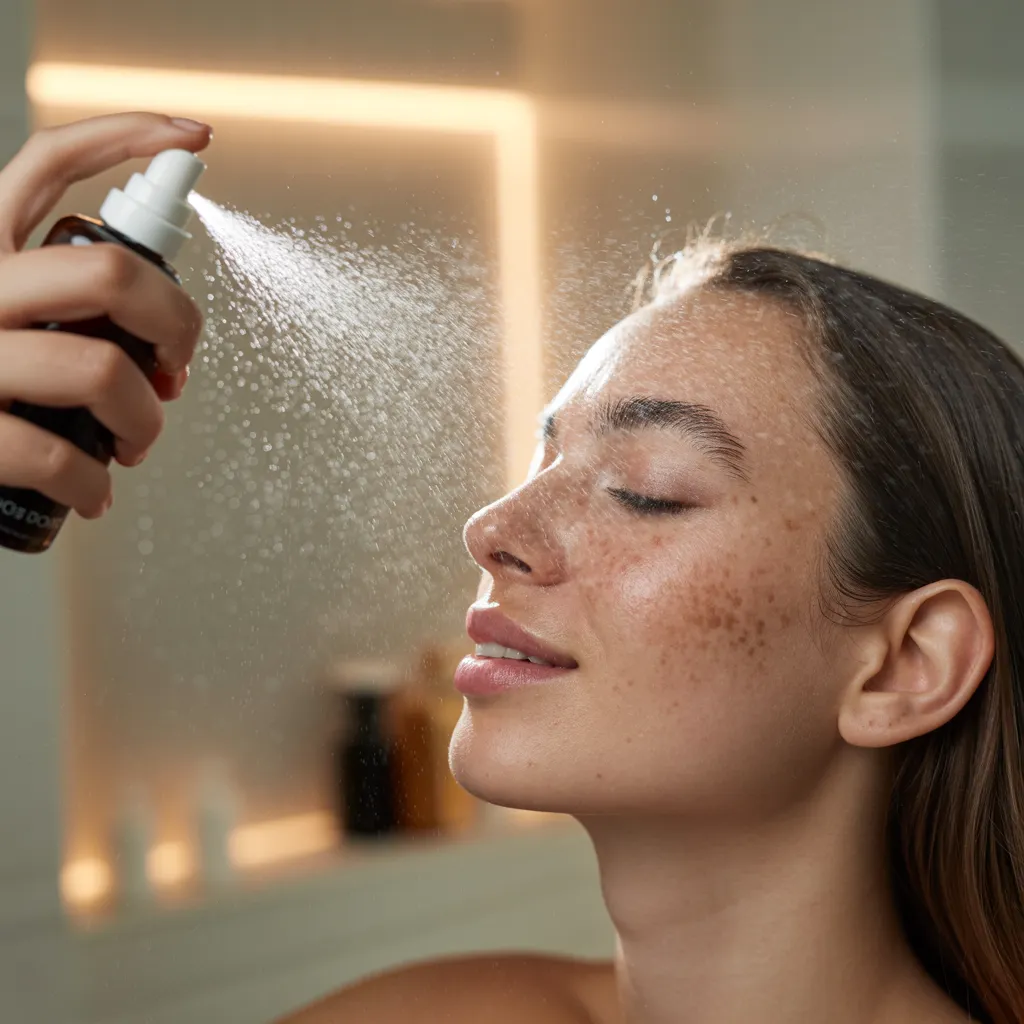
What's the Connection Between Your Gut and Skin?
In what ways can the state of one's digestive system affect their skin's look and health? Studies indicate a significant connection between gut health and skin wellness. The gut microbiome, consisting of trillions of microorganisms, plays an important role in digestive processes, immune health, and nutrient assimilation. An imbalance in this microbiome can trigger various health problems, including skin conditions. For instance, a compromised gut may impair nutrient absorption necessary for skin repair and regeneration, causing irritation or dullness.
In addition, the gut produces metabolites that affect skin health, such as short-chain fatty acids, which may lessen inflammation. Additionally, a healthy gut barrier blocks harmful substances from entering the bloodstream, potentially reducing skin sensitivity and reactions. Overall, maintaining a balanced gut microbiome through a nutritious diet and lifestyle choices can positively influence skin appearance and resilience, highlighting the intricate link between internal health and external beauty.
How Your Gut Health Affects Inflammation and Acne
The intestinal microbiome serves a crucial function in controlling inflammation, which can significantly affect acne formation. Dietary choices can either exacerbate or alleviate skin issues, highlighting the importance of nutrition in maintaining skin health. Additionally, stress can disrupt gut function, further impacting both inflammation levels and skin clarity.
Intestinal Microbiome and Inflammation
While the relationship between the gut microbiome and inflammation may not be instantly obvious, current research reveals its significant role in skin health, especially concerning acne. The gut microbiome, made up of trillions of microorganisms, impacts systemic inflammation through several mechanisms. A well-regulated microbiome enhances immune function and decreases the production of inflammatory cytokines, which are associated with acne development. Conversely, dysbiosis—an imbalance in gut bacteria—can lead to increased inflammation, initiating skin problems such as acne. Studies shows that optimizing gut health may alleviate inflammatory responses and better skin conditions. Therefore, maintaining a healthy gut microbiome is crucial for lowering inflammation and potentially easing acne symptoms, highlighting the connection of gut health and skin integrity.
How Diet Affects Acne
While numerous factors contribute to acne occurrence, diet plays a crucial role in affecting gut health and, as a result, inflammatory responses in the skin. Research shows that some dietary choices can exacerbate inflammation, leading to an increase in acne severity. High-GI foods, dairy products, and refined sugars are often connected to heightened insulin levels, which may prompt sebum production and promote acne. Alternatively, a diet rich in whole foods, antioxidants, and omega-3 fatty acids can support gut microbiota diversity and reduce inflammation. Fermented foods, such as yogurt and kimchi, support gut health by introducing helpful bacteria. Consequently, a balanced diet not only supports the body but also serves as a critical factor in managing acne through its impact on gut health and skin inflammation.
Stress and Its Impact on Skin Health
Stress profoundly influences skin health, notably through its association with gut health and inflammation. When persons experience stress, their bodies secrete cortisol, a hormone that can disrupt gut microbiota balance. This imbalance often leads to increased intestinal permeability, permitting toxins and bacteria to infiltrate the bloodstream, subsequently triggering systemic inflammation. Inflammation is a known contributor to acne and other skin conditions, as it can intensify oil production and clogged pores. Moreover, stress can bring about unhealthy coping mechanisms, such as poor dietary choices, which increasingly compromise gut health. By tackling stress through relaxation techniques and lifestyle changes, persons may improve both their gut health and skin condition, finally reducing the severity of acne and promoting healthier skin.
The Impact of Gut Microbiome on Hormonal Balance and Skin Health
The intestinal microbiome serves a vital function in maintaining hormonal equilibrium, which consequently significantly affects skin wellness. A rich and equilibrated gut microbiome supports the synthesis of hormones including estrogen and cortisol, both of which can significantly impact skin issues. When digestive health is impaired, it can cause hormonal irregularities that present as acne, eczema, and various skin concerns.
Particularly, dysbiosis—an imbalance of gut bacteria—has been linked to heightened inflammation and stress responses, thereby aggravating skin problems. Hormonal fluctuations often result from dietary choices, stress, and lifestyle factors that impact gut flora.
Keeping a robust gut microbiome through correct nutrition and probiotics can support hormonal equilibrium, thereby promoting healthier skin. Understanding this link illustrates the significance of gut health in achieving not just physical wellness, but also superior skin condition.
Why Nutrient Absorption Matters for Clear Skin
A well-functioning gut not only influences hormonal balance but also plays a pivotal role in nutrient absorption, which is critical for sustaining clear skin. When the gut is healthy, it effectively absorbs vitamins, minerals, and antioxidants needed for skin repair and rejuvenation. Nutrients like zinc, vitamin A, and omega-3 fatty acids support skin health by regulating oil production and reducing inflammation. On the other hand, poor nutrient absorption can result in deficiencies, weakening the skin's barrier function and encouraging conditions like acne and eczema. In addition, an imbalanced gut microbiome may limit the body's ability to absorb these vital nutrients, aggravating skin issues. Therefore, ensuring proper nutrient absorption through a healthy gut is fundamental for achieving linked resource and maintaining clear, radiant skin. Focusing on gut health can lead to improved nutrient availability, ultimately improving the skin and reducing the occurrence of various skin problems.
Prime Foods for Enhancing Gut Health and Gaining Clear Skin
Many foods can considerably improve gut health, leading to clearer skin. Cultured foods, including yogurt, kefir, and kimchi, are packed with probiotics that encourage a balanced gut microbiome. These helpful bacteria assist in decrease inflammation and support skin health. Fiber-rich foods like fruits, vegetables, and whole grains also fulfill a vital role; they support digestion and promote a healthy gut environment.
Omega-3 fatty acids, present in oily fish like salmon and walnuts, assist in combating inflammation, potentially reducing acne outbreaks. Foods high in antioxidants, such as berries, nuts, and green leafy vegetables, protect skin cells from damage and promote healing. Furthermore, maintaining hydration through adequate water intake is crucial for gut and skin wellness. Including these foods in one's eating habits can substantially enhance gut performance and complexion clarity, underscoring the deep relationship between diet, gut wellness, and skin quality.
Powerful Lifestyle Changes for Improving Digestive and Skin Health
Enhancing digestive and skin wellness can be achieved through deliberate lifestyle changes that promote overall well-being. Regular physical activity is fundamental, as it boosts circulation and lowers stress, both of which contribute to healthier skin. Incorporating a balanced diet full of fiber, probiotics, and antioxidants enhances gut flora and skin wellness. Appropriate hydration is crucial, as it aids in maintaining skin elasticity and facilitates digestion.
Moreover, making sleep enables the body to restore itself, including skin regeneration. Stress reduction techniques, such as mindfulness or yoga, can also lessen hormonal fluctuations that may worsen skin issues. Decreasing processed foods, sugar, and dairy may even more boost gut health and skin clarity. Finally, decreasing alcohol and quitting smoking can considerably enhance overall health, resulting in clearer skin. By adopting these lifestyle changes, individuals can cultivate a holistic approach to obtaining excellent gut and skin health.
Adding Gut Health To Your Skincare Routine
Integrating gut health into a skincare routine can significantly influence skin appearance and overall wellness. A balanced diet rich in probiotics and prebiotics promotes the gut microbiome, which in turn improves skin health. Foods like yogurt, kefir, sauerkraut, and fiber-rich fruits and vegetables feed beneficial gut bacteria, leading to reduced inflammation and improved skin texture.
Staying well-hydrated is another important aspect; drinking enough water enhances detoxification and assists in maintaining skin elasticity. Beyond this, integrating supplements like omega-3 fatty acids can further bolster skin health by lowering internal inflammation.
Stress management techniques, like mindfulness and regular exercise, support a healthier gut, which benefits skin condition. By pairing these dietary and lifestyle changes with topical skincare products, individuals can build a holistic approach that not only resolves skin concerns but also encourages overall well-being. This synergy between gut health and skincare can bring about clearer, healthier skin.
Popular Questions
Do Probiotics Alone Help Clear Acne?
Probiotics alone may not clear up acne entirely. While they can contribute to skin health and better gut balance, a comprehensive approach that includes diet, skincare, and lifestyle changes is generally essential for optimal acne control.
How Long Does It Take to See Improvements?
Benefits in acne may usually be seen within four to eight weeks of regular probiotic use. Nevertheless, individual responses fluctuate based on factors such as skin type, diet, and general health. Being patient is important.
Are There Particular Foods That Harm Skin Health?
Some foods can damage skin health. Sugar-based processed foods, dairy products, and carbohydrates with a high glycemic index may exacerbate skin issues. Steering clear of these products can contribute to clearer skin and overall improved dermatological conditions.
Is There a Link Between Stress, Gut Health, and Skin Problems?
The influence of stress on gut health is considerable, often prompting imbalances that may aggravate various skin conditions. The connection between stress, gut function, and skin conditions emphasizes the significance of handling stress for overall health and wellbeing.
Does Gut Health Have a Link to Eczema?
Research suggests a potential relationship between gut health and eczema, implying that imbalances in gut microbiota may alter inflammatory responses. This connection underscores the importance of gut health in managing skin conditions like eczema.