Choosing the Best Yogurt Maker Jars for Daily Yogurt Preparation
Top Jars for Preparing and Keeping Homemade Yogurt
Selecting the right jars for making and storing homemade yogurt is crucial for attaining the best results. Multiple jar types and materials can substantially impact the fermentation process and overall quality of the yogurt. Glass mason jars are often chosen for their durability and non-reactive properties. However, choosing the appropriate size and ensuring proper maintenance are also key factors. Understanding these elements can result in a more successful yogurt-making experience. What should one emphasize when picking the ideal jars?
The Importance of Proper Jars for Homemade Yogurt
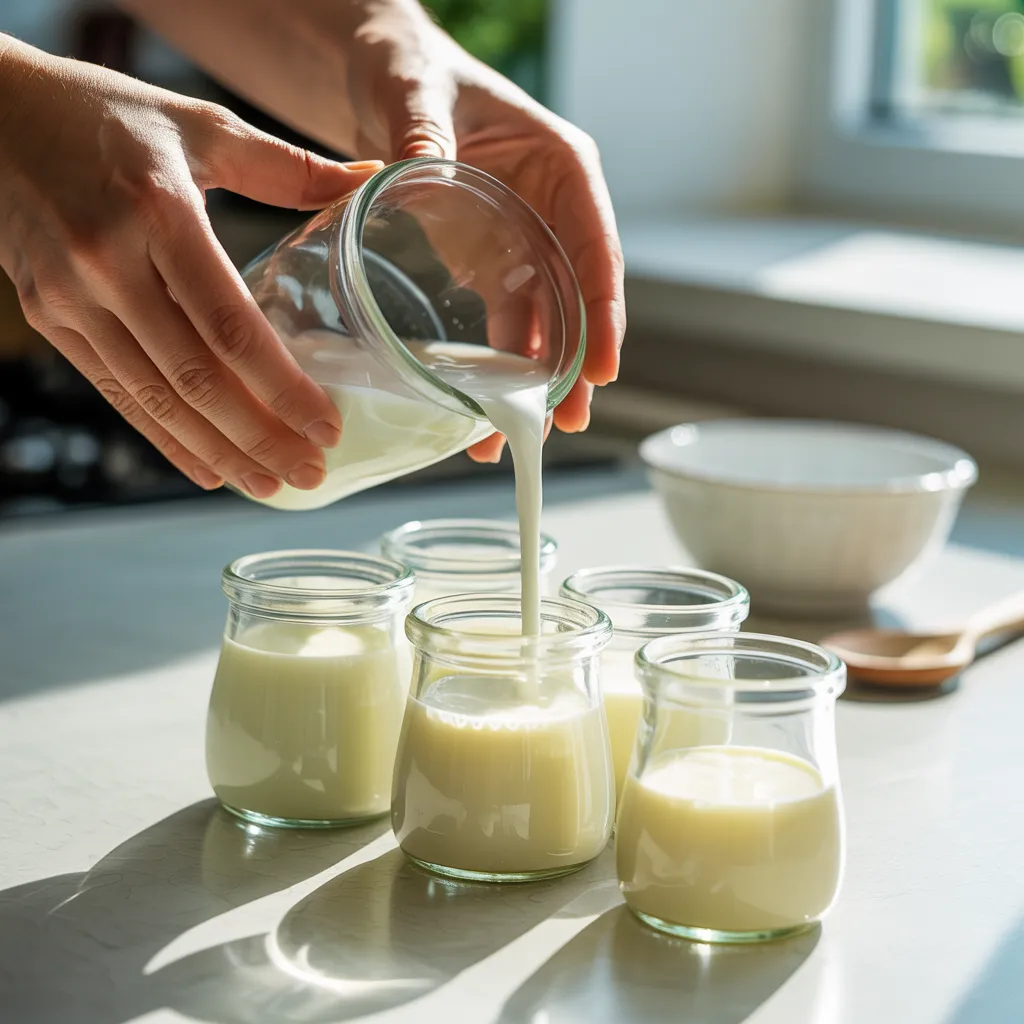
Choosing the right jars for homemade yogurt is vital for achieving the best results. The jars utilized can greatly impact the fermentation process and the final texture of the yogurt. Suitable materials, including glass or food-safe plastic, permit the even distribution of heat, essential for the growth of bacteria. Clear jars are helpful, as they enable the maker to observe the yogurt's consistency without opening them, which can disturb the fermentation environment.
The size factor is another important aspect; jars need to be appropriately sized to hold the planned yogurt batch while reducing excessive air exposure. Additionally, jars with tight-fitting lids assist in maintaining a steady temperature and defend the yogurt from contaminants. In summary, selecting the right jars not only ensures a favorable fermentation process but also improves the flavor and quality of the homemade yogurt, making it a worthwhile consideration for any yogurt enthusiast.
Essential Jar Options for Producing and Storing Yogurt
For making and storing yogurt, two essential jar types complete info stand out: plastic containers with lids and glass mason jars. Glass mason jars provide durability along with an airtight seal, rendering them excellent for fermentation. In contrast, plastic containers deliver a lightweight and user-friendly choice, particularly for individuals who value simple handling and storage.
Classic Glass Mason Jars
Mason jars crafted from glass emerge as the perfect choice for creating and preserving homemade yogurt. Their airtight seals guarantee ideal fermentation, allowing yogurt cultures to develop without exposure to contaminants. The transparent design of these jars enables easy monitoring of the yogurt's consistency and fermentation progress. Moreover, glass is non-reactive, which means it doesn't impart any unwanted flavors to the yogurt. These jars are available in various sizes, accommodating different batch needs, from small servings to larger quantities. They are also effortless to sanitize and can be reused multiple times, making them environment-conscious. With their resilience and usefulness, glass mason jars are a trustworthy option for yogurt enthusiasts looking to create delicious, homemade yogurt.
Covered Plastic Containers
Countless yogurt makers enjoy using plastic containers with lids for their functionality and practicality. These containers are featherweight, making them easy to handle and transport, which is exceptionally helpful for those who commonly make yogurt in batches. The airtight lids offer an efficient seal that works to sustain freshness and flavor during storage. In addition, plastic containers are generally more budget-friendly than glass alternatives, making them attainable for different budgets. They are commonly dishwasher safe, facilitating clean-up after use. However, it is necessary to pick high-quality, food-safe plastic to prevent any chemical leaching during the yogurt-making process. Overall, plastic containers with lids are a versatile option for both making and storing homemade yogurt.
Glass Versus Plastic Jars: Which Option Is Ideal for Your Yogurt?
What kind of jar really works best for keeping homemade yogurt: glass or plastic? The argument commonly revolves around flavor preservation, safety, and durability. Glass jars are chosen for their inert properties, which assists in keeping the quality and flavor of yogurt without any risk of leaching chemicals. Additionally, glass is straightforward to clean and can be reused indefinitely, making it an environmentally friendly choice.
Plastic jars, on the other hand, are light in weight and less susceptible to breakage, which could be favorable for particular individuals. However, certain types of plastic can absorb odors and flavors over time, potentially affecting the yogurt's taste. In addition, concerns related to BPA and other harmful chemicals in plastics have motivated many individuals to avoid them completely.
Finally, glass jars are considered the best solution for those aiming to guarantee the best quality and safety for their homemade yogurt.
Best Jar Sizes for Making Yogurt Batches
While choosing jar sizes for homemade yogurt, both quart and pint jars provide unique benefits. Quart jars are excellent for larger batches, offering ample storage for those who enjoy yogurt often. In contrast, pint jars are ideal for smaller portions, enabling easy customization and quicker consumption.
Quart Jar Benefits
Quart jars are among the most practical options for making yogurt at home. Their capacity accommodates larger batches, making them ideal for families or frequent yogurt eaters. This capacity reduces the frequency of preparation, delivering ease for hectic lifestyles. Moreover, quart jars facilitate uniform fermentation thanks to their substantial size, encouraging reliable outcomes. The large mouth design streamlines both filling and sanitizing, which is critical for upholding sanitation. Furthermore, quart jars are frequently compatible with different yogurt makers, increasing their flexibility. Their solid build assures long-lasting performance, supporting long-term use without risk of breakage. These strengths make quart jars a top choice among yogurt lovers pursuing dependability and effectiveness in their yogurt-making efforts.
Benefits of Pint Jars
Pint jars offer a flexible option for those who prefer smaller, more manageable portions of homemade yogurt. These jars are ideal for individual servings, making them great for lunches or on-the-go snacks. Their size also allows for easy storage in diverse refrigerator layouts, maximizing space efficiency. Additionally, pint jars support portion control, assisting yogurt enthusiasts prevent overindulgence while still enjoying their favorite treat. They are also suitable for gifting homemade yogurt, delivering an attractive presentation. With a wide array of lid options, pint jars can be tightly closed, preserving freshness for longer periods. All in all, pint jars combine practicality and versatility, making them a preferred choice for yogurt makers looking to simplify their yogurt preparation and storage process.
Best Practices for Cleaning and Maintaining Yogurt Jars
Proper care and maintenance of yogurt jars is vital for guaranteeing the quality and safety of homemade yogurt. To begin, it is essential to rinse jars with soapy, warm water right after use to inhibit bacteria growth. A comprehensive rinse with hot water should follow, guaranteeing all soap residue is washed away. Furthermore, using a bottle brush can help reach challenging spaces where yogurt residue may adhere.
For proper sterilization, jars should be boiled in water for ten minutes or positioned in a dishwasher on a high-temperature cycle. It is also important to regularly inspect jars for cracks or chips, as these can harbor harmful bacteria. Once cleaned, jars need to be completely air-dried before being stored. Refrain from using harsh cleaners or scrubbing pads, as they may damage the jar's surface. Through compliance with these guidelines, yogurt enthusiasts can ensure the durability and extended life of their yogurt jars.
Where to Source the Best Jars for Creating Homemade Yogurt
Finding the right jars for making homemade yogurt can tremendously enhance the fermentation process and overall quality of the yogurt. Several sources exist for finding suitable jars. Local kitchen supply stores often carry a assortment of glass jars that are ideal for yogurt fermentation. Furthermore, many online retailers, such as Amazon or specialty home brewing websites, present a more extensive selection, including jars with airtight lids that help preserve the necessary temperature and inhibit contamination.
Recycling glass jars from shop-bought products is another eco-friendly option. Jars from sauces, pickles, or beverages can be reused, given that they are completely cleaned and sterilized. Community forums and social media groups focused on yogurt making may also provide recommendations and insights on where to locate high-quality jars. By investigating these options, yogurt enthusiasts can ensure they find the best containers for their homemade creations.
Frequently Asked Questions
Is It Possible to Reuse Store-Bought Yogurt Jars?
Indeed, jars from commercially produced yogurt can be reused. Nonetheless, they should be completely cleaned and sterilized to prevent contamination. Guaranteeing proper hygiene is crucial for safe storage and keeping the quality of homemade yogurt.
What Is the Shelf Life of Yogurt in Jars?
In refrigerated conditions, yogurt stored in jars typically remains usable for one to three weeks. That said, both freshness and quality can deteriorate with time, so it's best to consume it sooner to enjoy the finest taste and texture.
Do Jars Require Sterilization Before Use?
Sterilization of jars before use is essential. This technique eradicates hazardous bacteria and creates a safe space for yogurtculturing. Appropriate sterilization boosts the quality and lifespan of homemade yogurt prepared in these jars.
Are Mason Jars Suitable for Yogurt?
Absolutely, mason jars are appropriate for yogurt making. Their airtight seals and heat resistance make them suitable for fermentation. Moreover, they are available in different sizes, offering convenience in dividing homemade yogurt.
Are Particular Lids Necessary for Yogurt Jars?
While specific lids aren't absolutely required for yogurt jars, but sealed lids help preserve optimal temperature and avoid contamination. Many opt for using plastic or silicone lids that allow some airflow during fermentation for best results.